

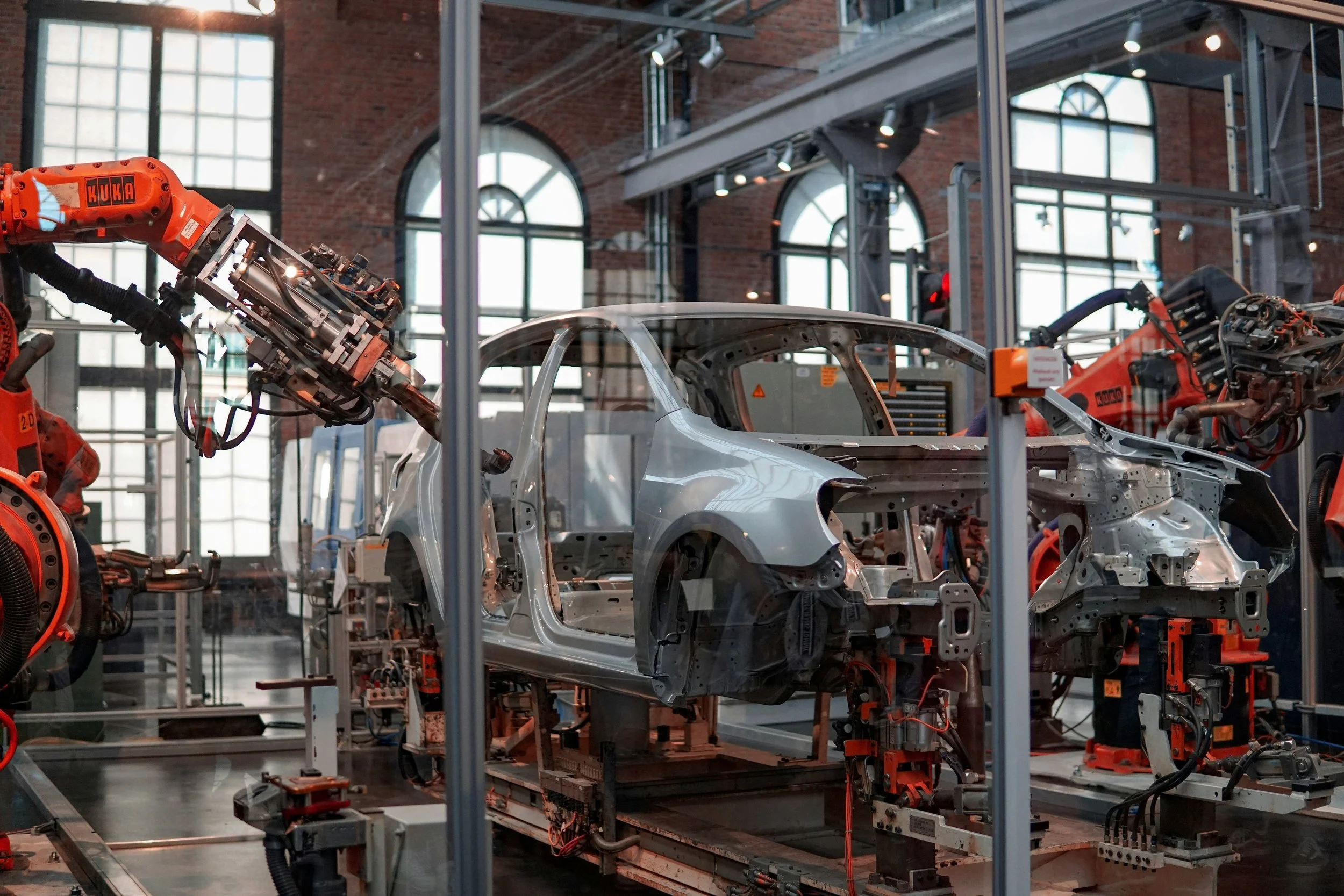
COVID-Era Lessons: What Carmakers Should Have Learned From COVID to Prepare for a Potential Hantavirus Crisis
Hantavirus is not COVID, but the underlying lesson remains unchanged: systems optimized exclusively for efficiency become fragile under stress.
The automotive industry spent decades mastering optimization, and in fact has had to continue optimizing in the face of Chinese competition built on lean cost structures.
In the tragic event of another pandemic, the industry can only hope it did not forget to apply the lessons of the previous one in its haste to get “back to normal”.
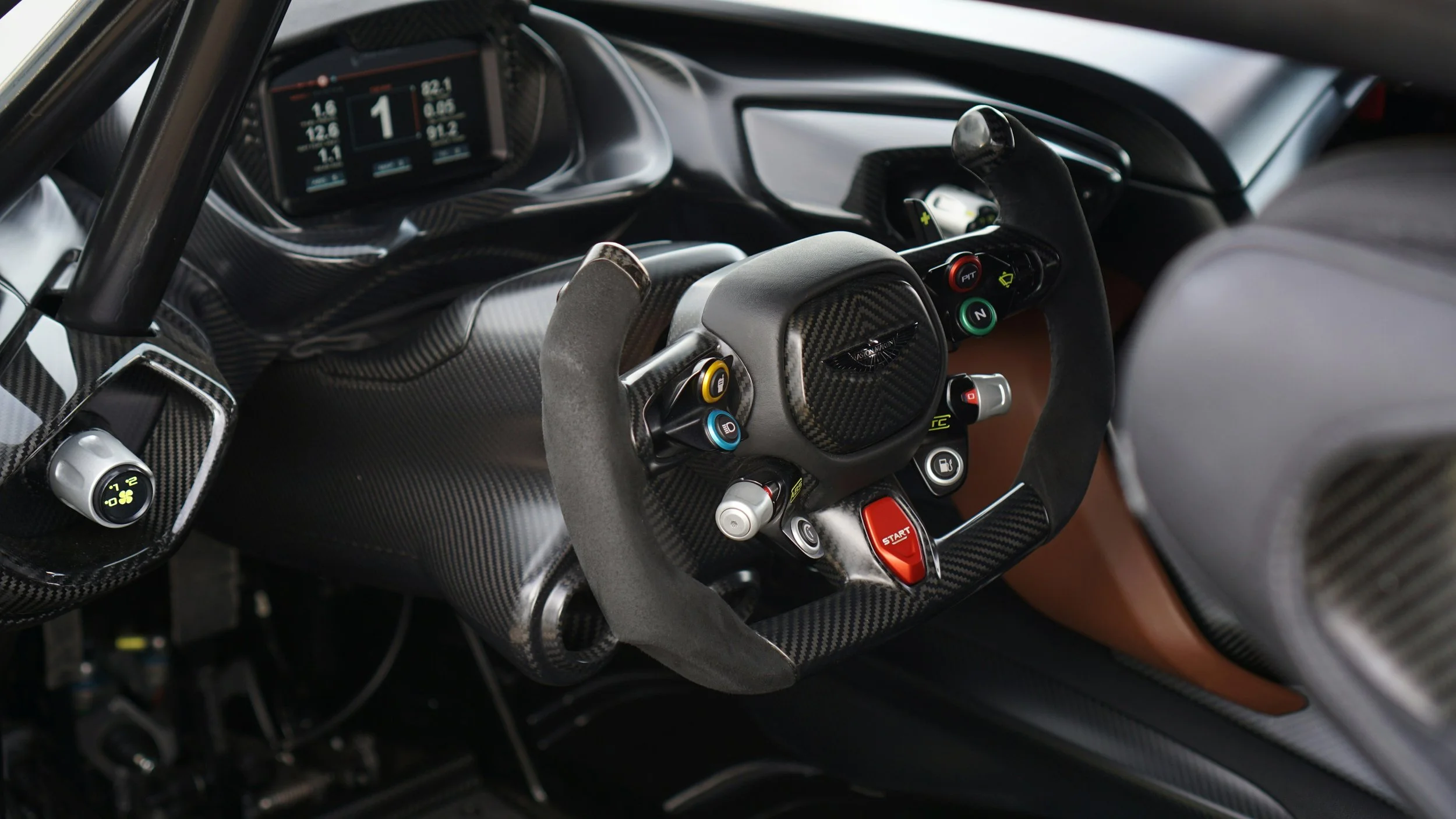
From Virtual Simracing to Real-World “Simshifting”: Why EVs Could Become Real-Life Sim Rigs
For years, simracing was viewed by many traditional enthusiasts as an imitation of “real driving.”
But what if the opposite turns out to be true?
What if simracing was actually an early prototype for where driving itself was heading?

The Brand Every Racing Team Should Aspire to Be Is…
Racing teams believe they exist to win races.
Manufacturers believe they exist to market cars.
Both are operating within a constrained, isolated view of what motorsport actually enables, because the industry continues to treat racing as either a competitive exercise or a marketing expense, when in reality it can function as something potentially far more valuable: the foundation of an entirely new business.
The existence of Polestar should force a reassessment of these assumptions. Indeed, Polestar did not begin as a design studio, a product roadmap, or a strategic pivot into electrification.
It began, very simply, as a racing team.
Motorsport is not a money sink, but it is often misused capital.
It can create value, but not everyone sees just how far that value creation can be pushed quite like the minds behind Polestar.
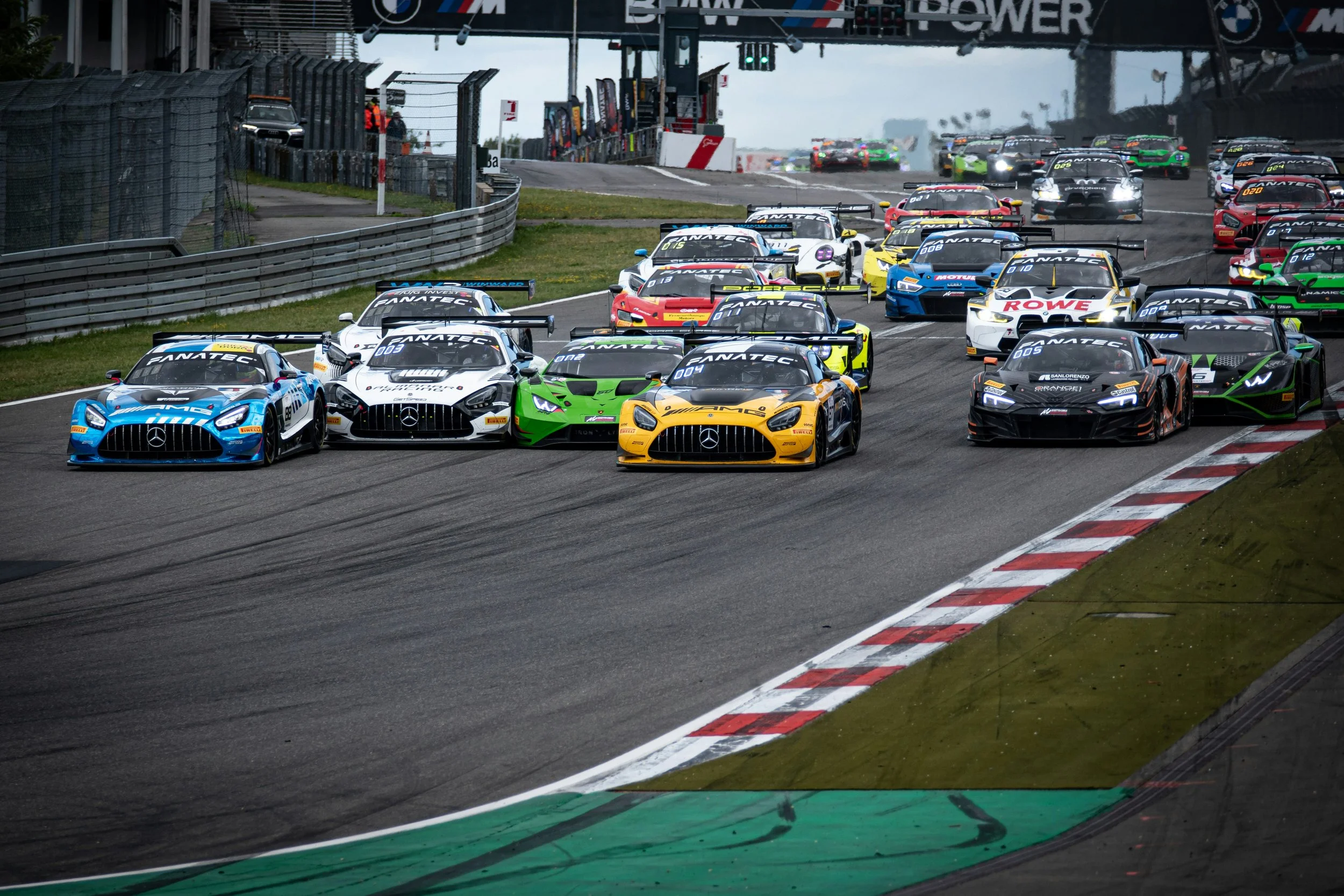
The New Guard: Why Great Wall Motor is Taking the Fight to Ferrari and Porsche With Its GT3 Announcement
The strategic risk is no longer theoretical, as the window for legacy brands to protect their market permission is closing. As Chinese OEMs progress to pair their structural advantages with disciplined on-track proof, the historical separation between "reliable appliances" and "desirable performance objects" will inevitably disappear.
For established brands, waiting to act does not preserve optionality; it merely compounds the advantage of late entrants who are building their engineering credibility in real-time.
Those that survive the coming decades will be the ones that stop treating heritage as a given in perpetuity, and instead nurture it as a living, strategic asset with clear governance and conversion pathways to the showroom, starting at the race track.