
With pAilote, Vaucher Analytics Just Imagined the Future of Autonomous Mobility Management
It's June 2036.
The market for personal vehicle ownership has collapsed.
The market for autonomous mobility assets has never been larger, with an entirely new economy ready to support and enrich this new fleet.
- Robotaxis transport passengers across Paris
- Autonomous trucks move freight between Lyon and Milan
- Delivery robots handle last-mile logistics in Berlin
- eVTOL aircraft operate regional routes throughout Southern Europe
Vehicles used to be depreciating assets; what happens when they become income-producing assets?
How do you manage them all?

Chinese EVs and the “SHEINification” of the Automobile Industry
A different future remains possible if enough consumers continue valuing longevity, emotional design, craftsmanship, motorsport heritage, repairability, ownership pride, and engineering depth. Those preferences create economic space for manufacturers capable of offering something beyond pure functional transportation.
But SHEIN is still around, the costs for everything keep going up, and legacy automakers have a very difficult road ahead of them.
COVID-Era Lessons: What Carmakers Should Have Learned From COVID to Prepare for a Potential Hantavirus Crisis
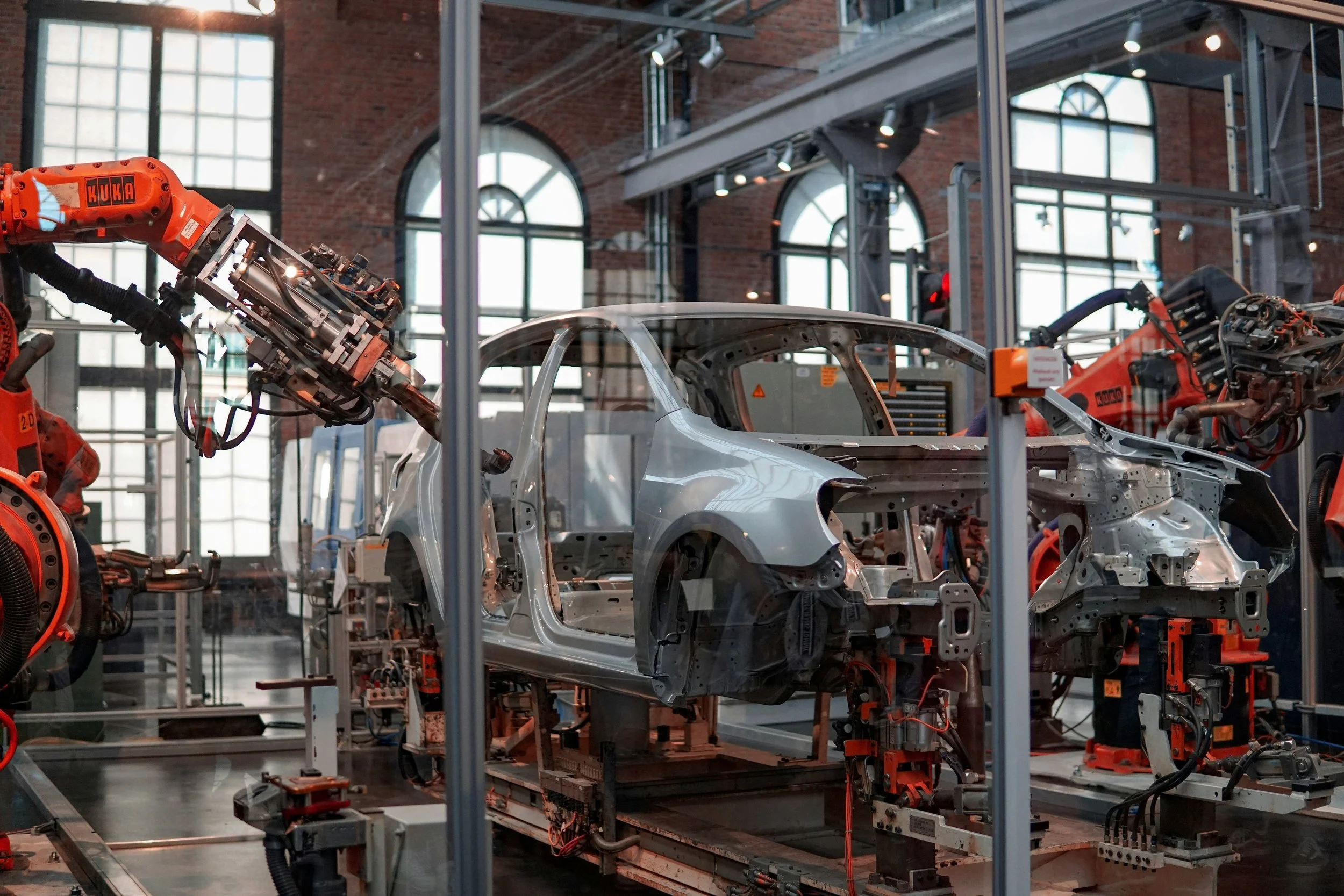
Hantavirus is not COVID, but the underlying lesson remains unchanged: systems optimized exclusively for efficiency become fragile under stress.
The automotive industry spent decades mastering optimization, and in fact has had to continue optimizing in the face of Chinese competition built on lean cost structures.
In the tragic event of another pandemic, the industry can only hope it did not forget to apply the lessons of the previous one in its haste to get “back to normal”.

The Brand Every Racing Team Should Aspire to Be Is…
Racing teams believe they exist to win races.
Manufacturers believe they exist to market cars.
Both are operating within a constrained, isolated view of what motorsport actually enables, because the industry continues to treat racing as either a competitive exercise or a marketing expense, when in reality it can function as something potentially far more valuable: the foundation of an entirely new business.
The existence of Polestar should force a reassessment of these assumptions. Indeed, Polestar did not begin as a design studio, a product roadmap, or a strategic pivot into electrification.
It began, very simply, as a racing team.
Motorsport is not a money sink, but it is often misused capital.
It can create value, but not everyone sees just how far that value creation can be pushed quite like the minds behind Polestar.