

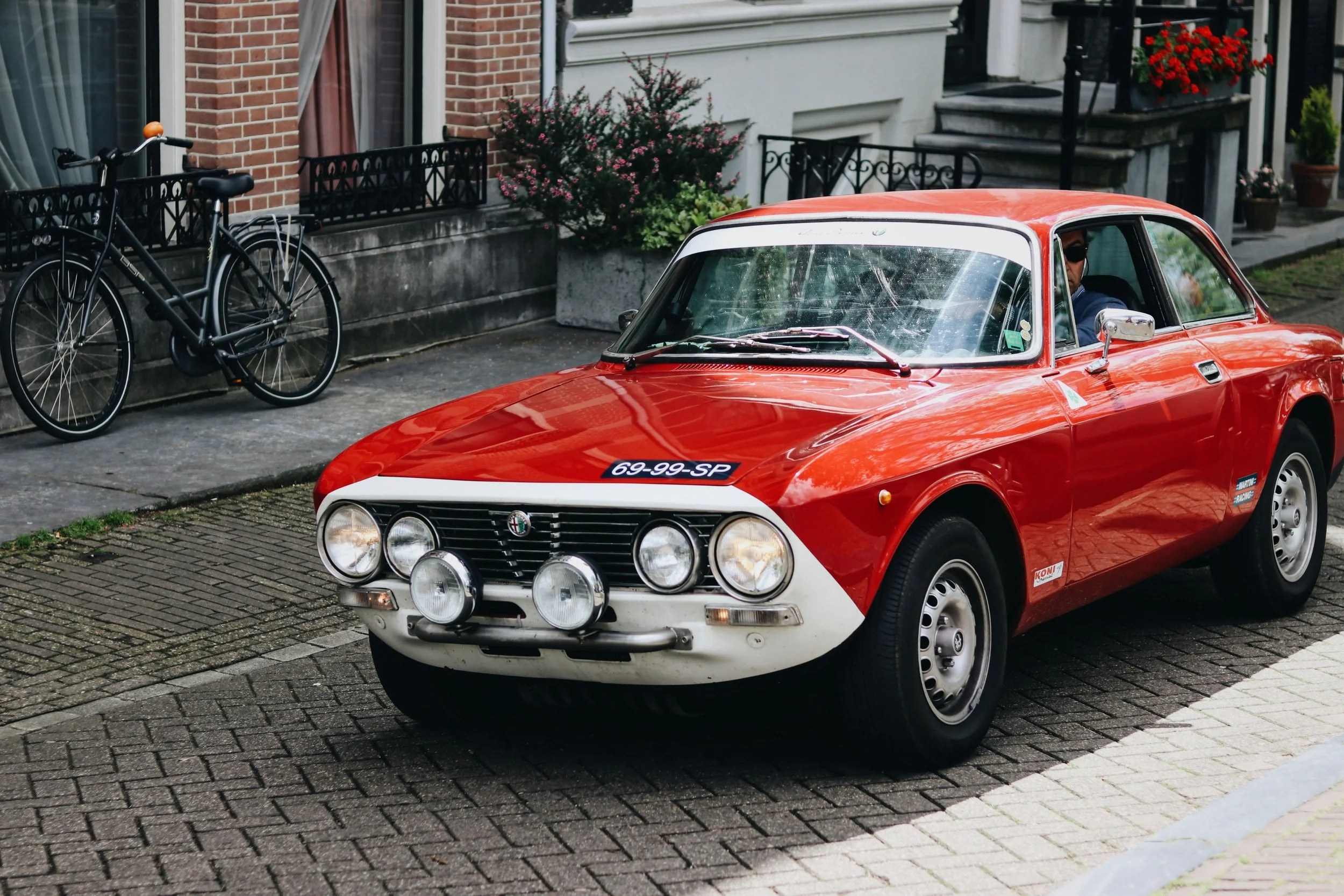
What EU EV Rules Miss: The Concept Of a 100-Year “Forever Car”
A car that lasts 100 years will not save the climate on its own, but in a world racing toward disposability, permanence remains one of the few forms of value that cannot be cheaply copied or, crucially, marketed.
And that may be the most important advantage legacy automakers still have.

Going Racing Is No Longer Optional: Why Emotion Will Decide the Future of Car Sales
In an era defined by electrification, software, and regulation, motorsport is framed as a legacy indulgence; useful for engineers, irrelevant for sales.
That logic is dangerously outdated at best, and completely wrong at worst.

The Vaucher Analytics State of Motorsport 2025: F1
In the global and cultural sense, F1 is in its infancy, and what comes next will depend on F1’s ability to preserve the foundations that made its ascent possible, while continuing to innovate, with the goal of becoming the most inclusively exclusive sport the world has ever seen.
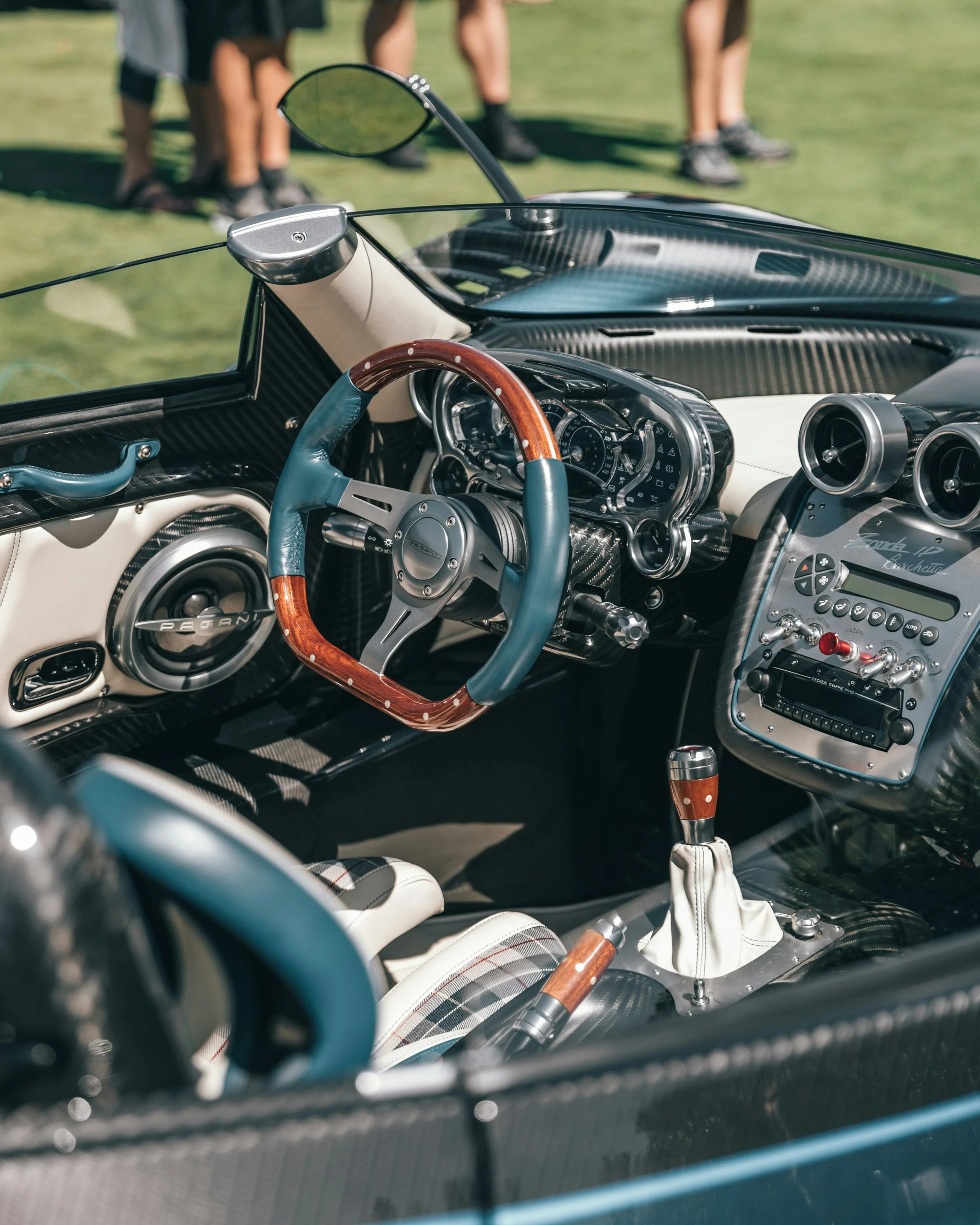
The “Forever Car”: Why Longevity Is the Luxury Advantage Against Chinese EVs
“In a world racing towards even more disposability, permanence is luxurious.”
In my previous article, I argued that the “Quartz Crisis” that reshaped the Swiss watch industry offers a blueprint for how legacy automakers can survive, and even thrive, as Chinese EVs remake the global car market. I made the case that legacy brands should lean into their heritage, move upmarket, and treat ICE not as a liability but as an emotional asset.
There is one dimension of that argument worth expanding: longevity.
A high-end mechanical watch can cost as much as a very exotic car, yet it can last multiple lifetimes with proper servicing; that comparison is not trivial. If a luxury watch is worth five or six figures because it endures, then what does it say about luxury car pricing for a vehicle that is expected to depreciate to scrap within a few decades at most?