

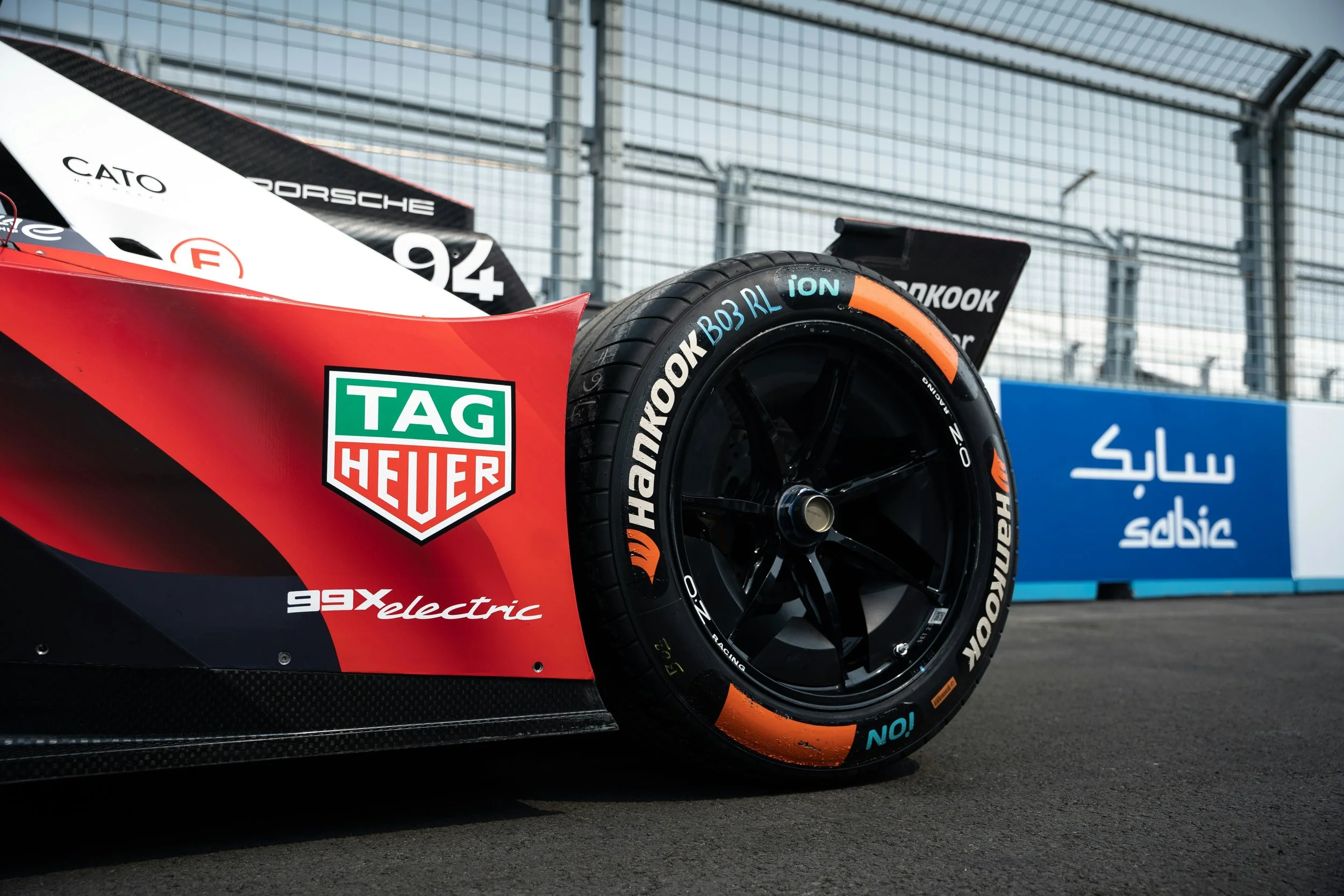
The Swiss Watch Strategy: Why Legacy Automakers Must Pivot To It Now…Or Be Crushed By Chinese EVs
The current regulatory approach attempts to achieve this by prescribing a particular drivetrain mix, but what if it just mandated a target? This raises a strategic question: what if, in the long-term, legacy automakers simply ceded the mass market entirely to China?
What if, instead of diluting themselves across a broad, value-sensitive product portfolio, they concentrated on what they do best, and have done since their inception: selling emotion at a premium?
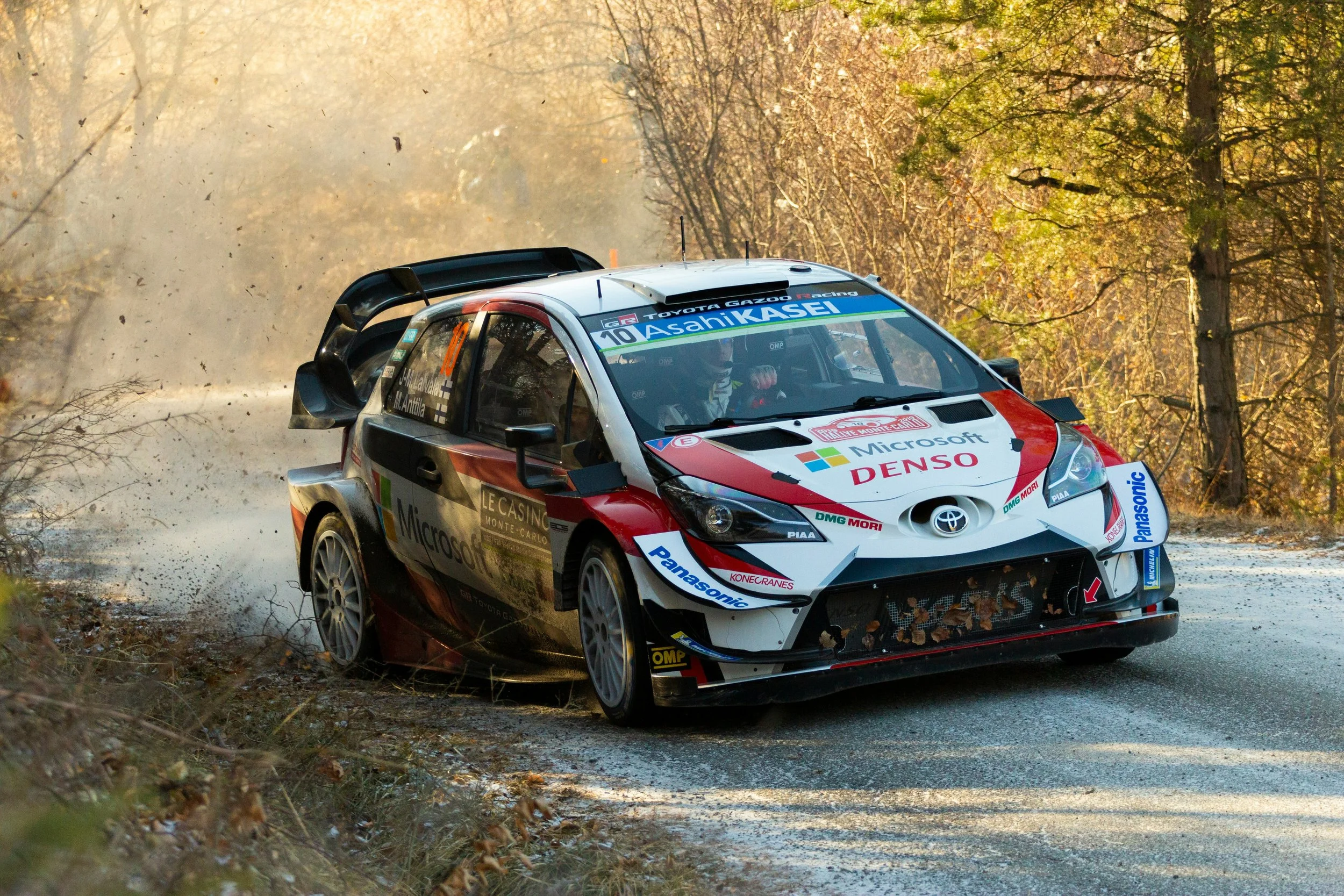
The Vaucher Analytics State of Motorsport 2025: The WRC
The WRC is not failing; it is underserving its potential.
It has the drama, the characters, the landscapes, the heritage, and the natural audience fit. What it lacks is visibility, accessibility, manufacturer depth, and a clear narrative around its future. Solve those four issues, and rallying becomes what it always should have been: the motorsport of the people.
The Next 100 Years Of Motorsport: What Will Racing Look Like In 2125?
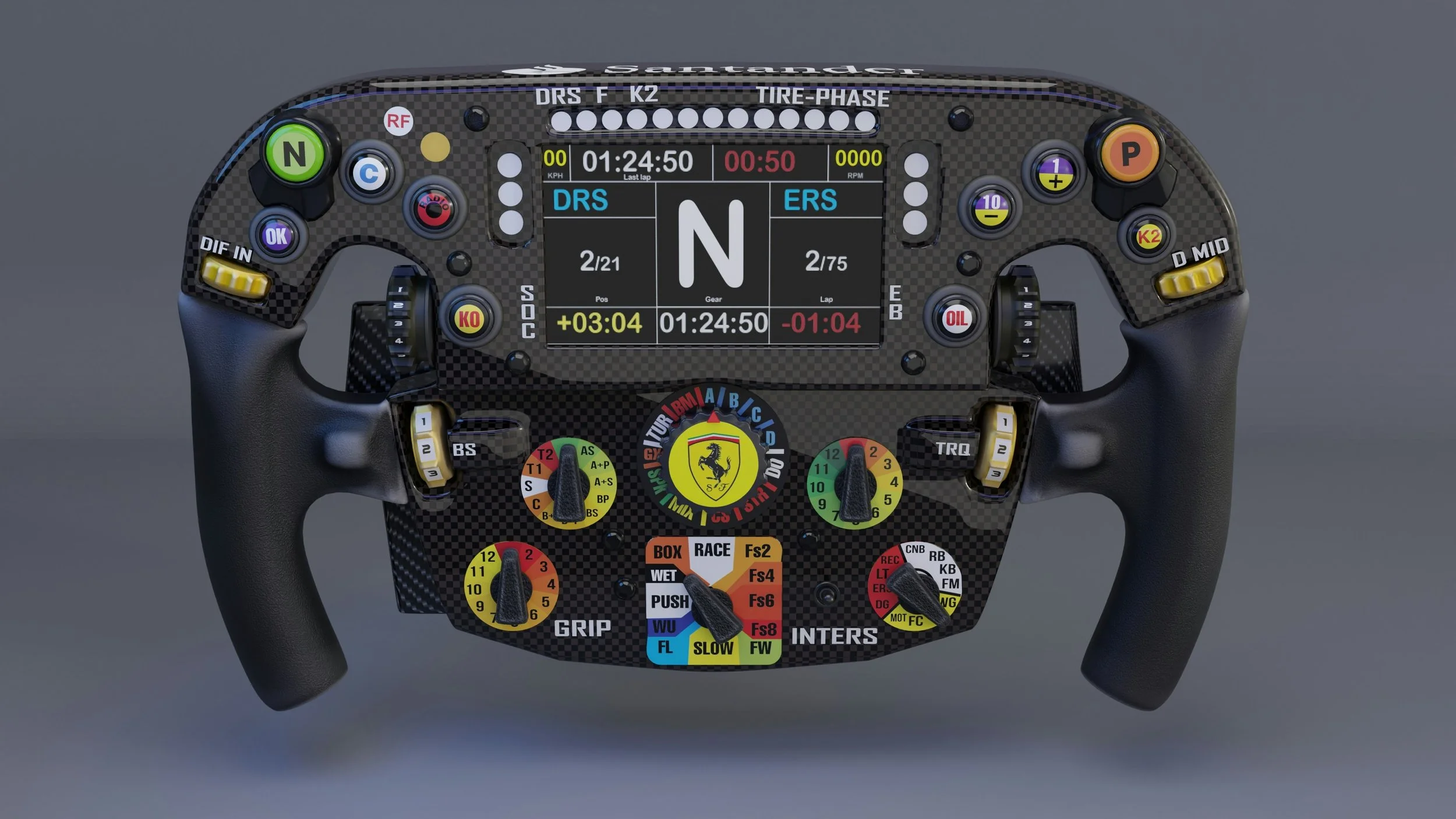
It always strikes me how quaint the past now looks. When Alfa Romeo won that first Grand Prix, the cars were front-engined, had no aerodynamics, rode on narrow tires, and their steering wheels were decades away from a single button, let alone screens, microchips, or multi-function displays.
If you could show those drivers a modern F1 car, they’d assume it was built by aliens.
Even beyond F1, imagine the participants of the first 24 Hours of Le Mans in 1923 trying to comprehend a Ferrari 499P, a Peugeot 9X8, or any prototype from today’s WEC and IMSA grids.
And so the question is obvious:
If the last 75 years turned simple race cars into machines that resemble spacecraft, what might the next 100 years bring?
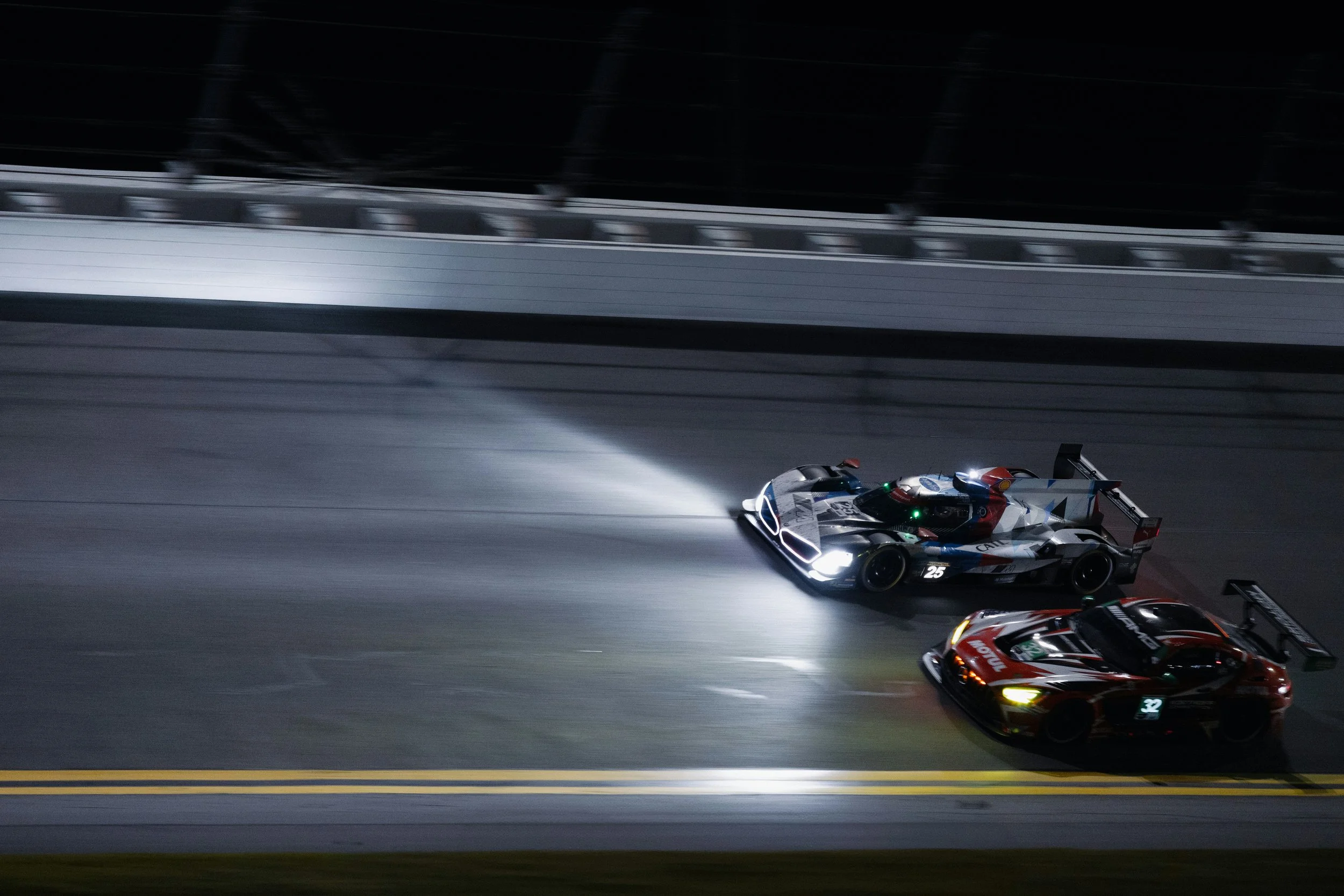
The Vaucher Analytics State of Motorsport 2025: The WEC and IMSA
Endurance racing doesn’t dominate global motorsport conversation the way Formula 1 does, but in 2025 it delivered something arguably more impressive: sustained, organic growth across multiple continents and two major rulebooks; indeed, although WEC and IMSA now operate within a broadly shared prototype ecosystem, they’re still distinct products with different audiences, commercial structures, and internal priorities.
Nevertheless, their shared success comes from a phenomenal on-track product, showcasing multi-class action, manufacturer storytelling, and the kind of racing purists swear by. And crucially, unlike some other series, WEC and IMSA genuinely seem to understand what they are and how they appeal to people.
But beneath that success, three separate fault lines began to emerge in 2025. Each one matters not because endurance racing is struggling (it isn’t), but because the future depends on navigating these issues without breaking the momentum the sport has finally built.