

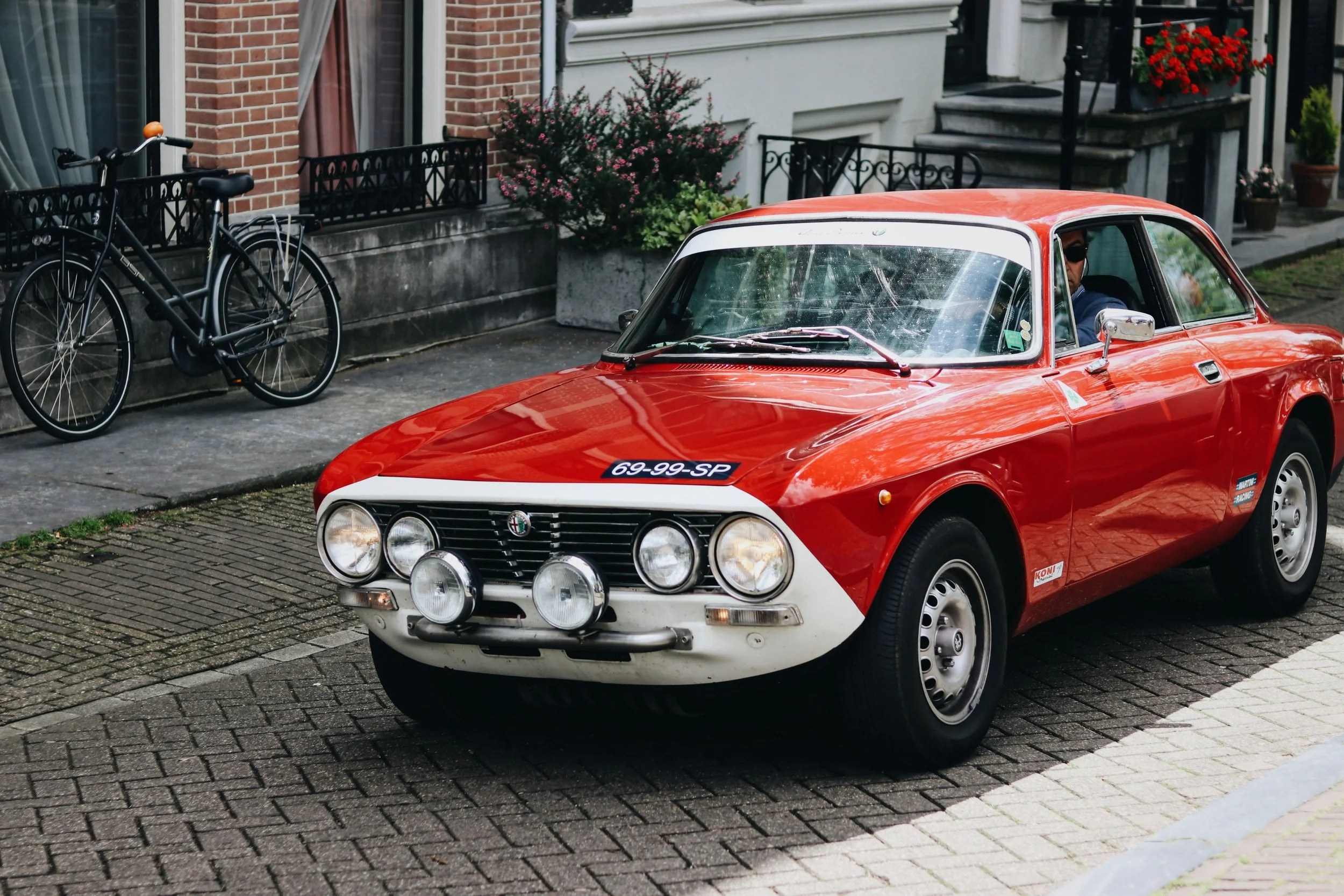
What EU EV Rules Miss: The Concept Of a 100-Year “Forever Car”
A car that lasts 100 years will not save the climate on its own, but in a world racing toward disposability, permanence remains one of the few forms of value that cannot be cheaply copied or, crucially, marketed.
And that may be the most important advantage legacy automakers still have.
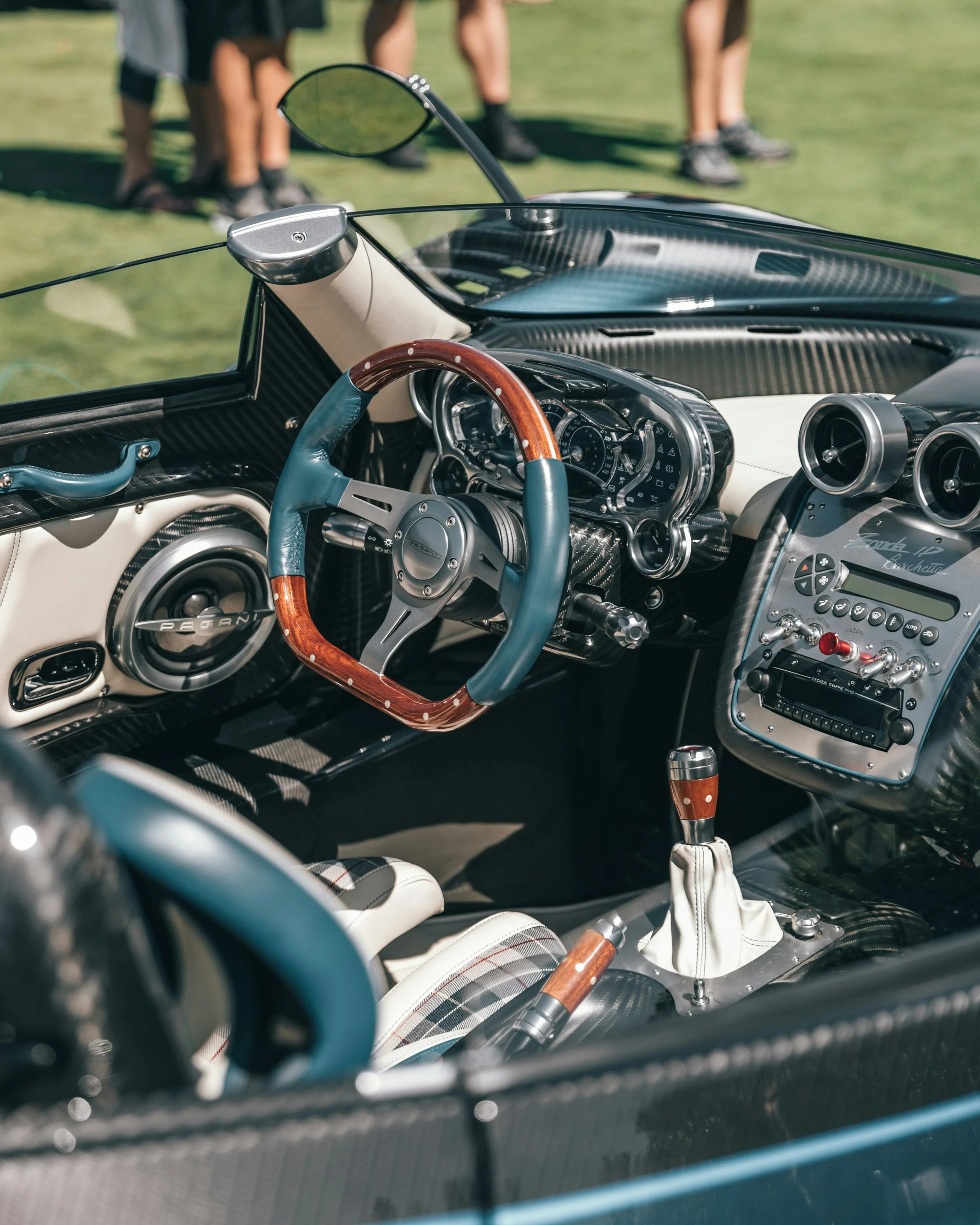
The “Forever Car”: Why Longevity Is the Luxury Advantage Against Chinese EVs
“In a world racing towards even more disposability, permanence is luxurious.”
In my previous article, I argued that the “Quartz Crisis” that reshaped the Swiss watch industry offers a blueprint for how legacy automakers can survive, and even thrive, as Chinese EVs remake the global car market. I made the case that legacy brands should lean into their heritage, move upmarket, and treat ICE not as a liability but as an emotional asset.
There is one dimension of that argument worth expanding: longevity.
A high-end mechanical watch can cost as much as a very exotic car, yet it can last multiple lifetimes with proper servicing; that comparison is not trivial. If a luxury watch is worth five or six figures because it endures, then what does it say about luxury car pricing for a vehicle that is expected to depreciate to scrap within a few decades at most?
The Swiss Watch Strategy: Why Legacy Automakers Must Pivot To It Now…Or Be Crushed By Chinese EVs
The current regulatory approach attempts to achieve this by prescribing a particular drivetrain mix, but what if it just mandated a target? This raises a strategic question: what if, in the long-term, legacy automakers simply ceded the mass market entirely to China?
What if, instead of diluting themselves across a broad, value-sensitive product portfolio, they concentrated on what they do best, and have done since their inception: selling emotion at a premium?
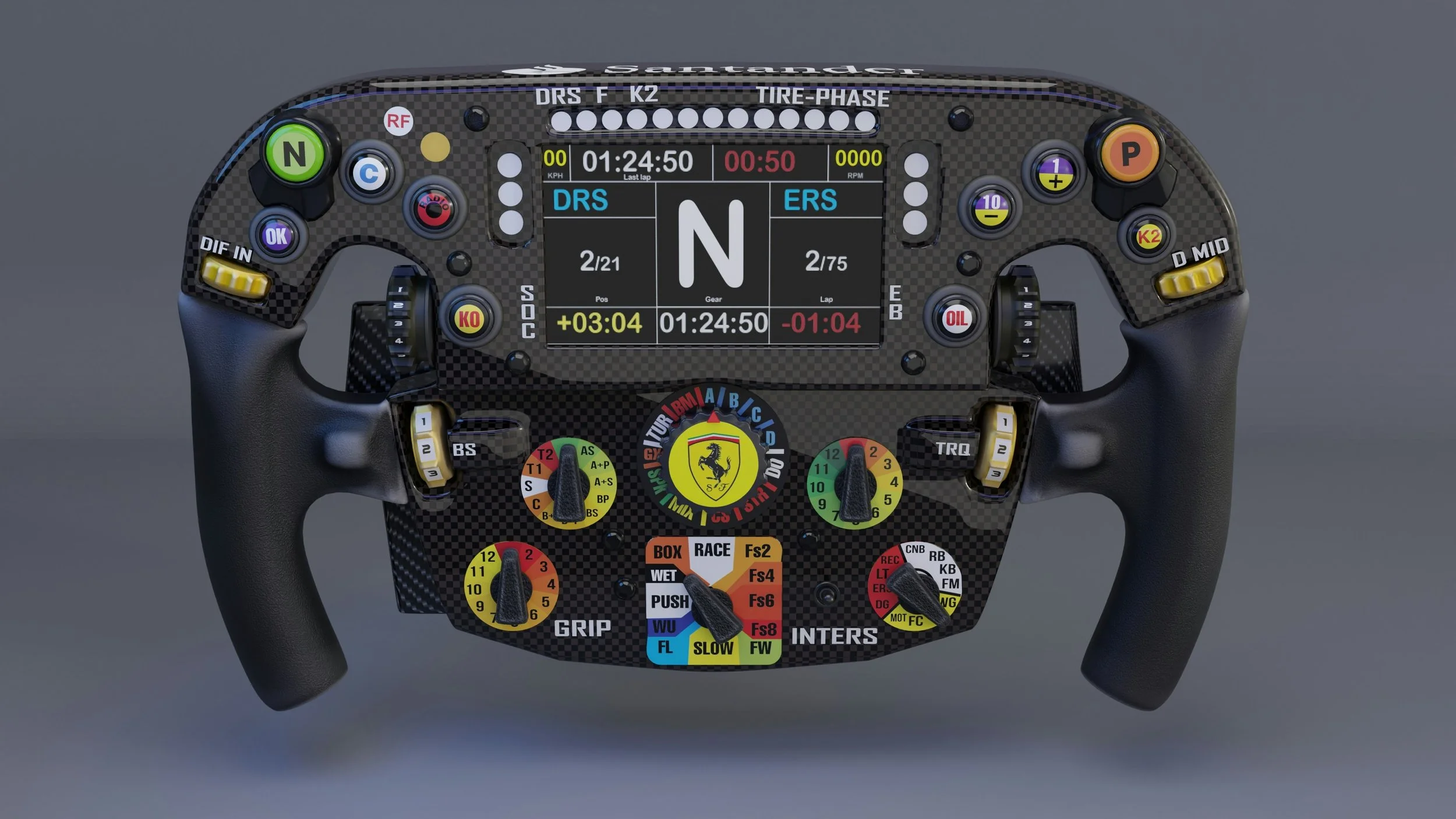
The Next 100 Years Of Motorsport: What Will Racing Look Like In 2125?
It always strikes me how quaint the past now looks. When Alfa Romeo won that first Grand Prix, the cars were front-engined, had no aerodynamics, rode on narrow tires, and their steering wheels were decades away from a single button, let alone screens, microchips, or multi-function displays.
If you could show those drivers a modern F1 car, they’d assume it was built by aliens.
Even beyond F1, imagine the participants of the first 24 Hours of Le Mans in 1923 trying to comprehend a Ferrari 499P, a Peugeot 9X8, or any prototype from today’s WEC and IMSA grids.
And so the question is obvious:
If the last 75 years turned simple race cars into machines that resemble spacecraft, what might the next 100 years bring?