

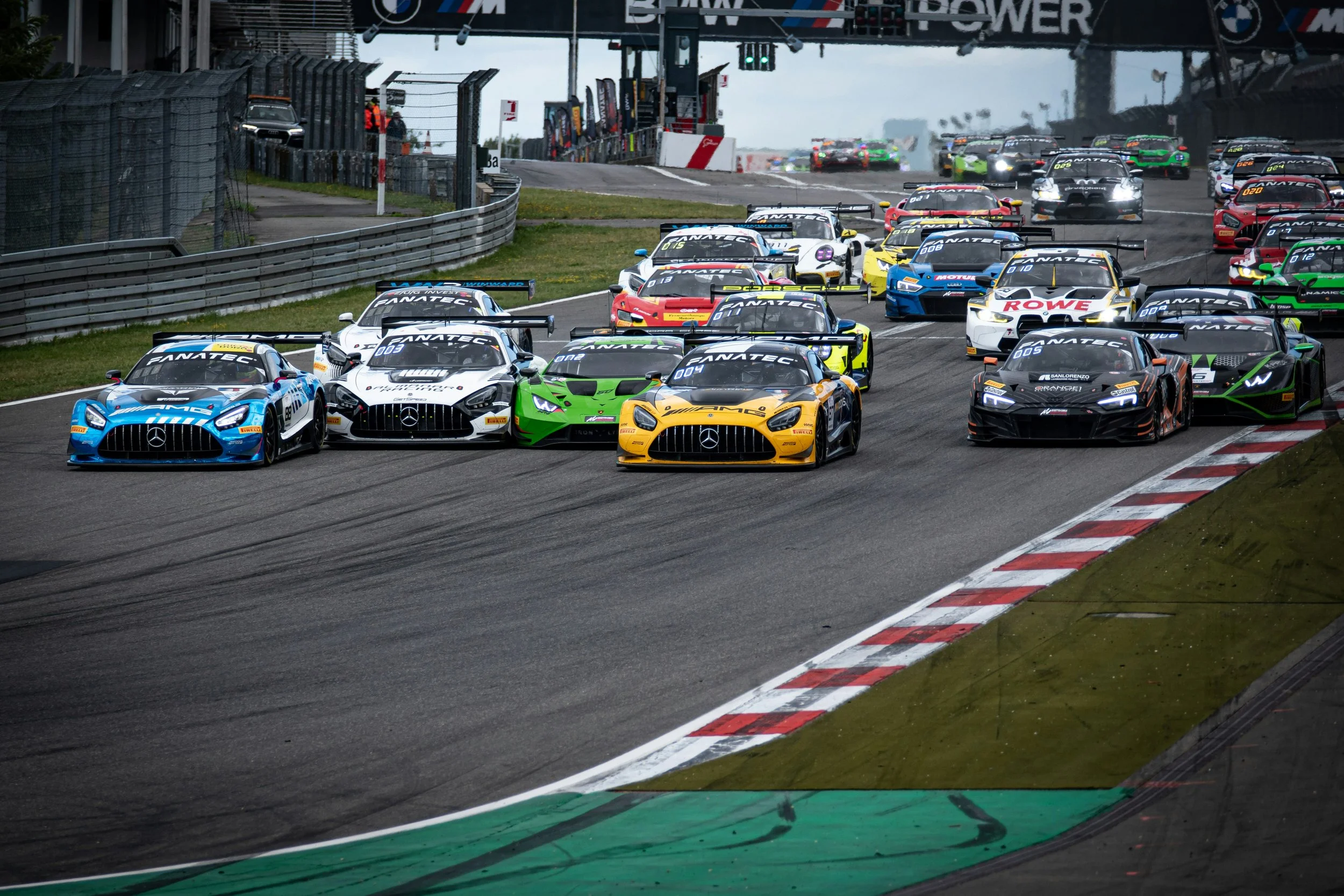
The New Guard: Why Great Wall Motor is Taking the Fight to Ferrari and Porsche With Its GT3 Announcement
The strategic risk is no longer theoretical, as the window for legacy brands to protect their market permission is closing. As Chinese OEMs progress to pair their structural advantages with disciplined on-track proof, the historical separation between "reliable appliances" and "desirable performance objects" will inevitably disappear.
For established brands, waiting to act does not preserve optionality; it merely compounds the advantage of late entrants who are building their engineering credibility in real-time.
Those that survive the coming decades will be the ones that stop treating heritage as a given in perpetuity, and instead nurture it as a living, strategic asset with clear governance and conversion pathways to the showroom, starting at the race track.
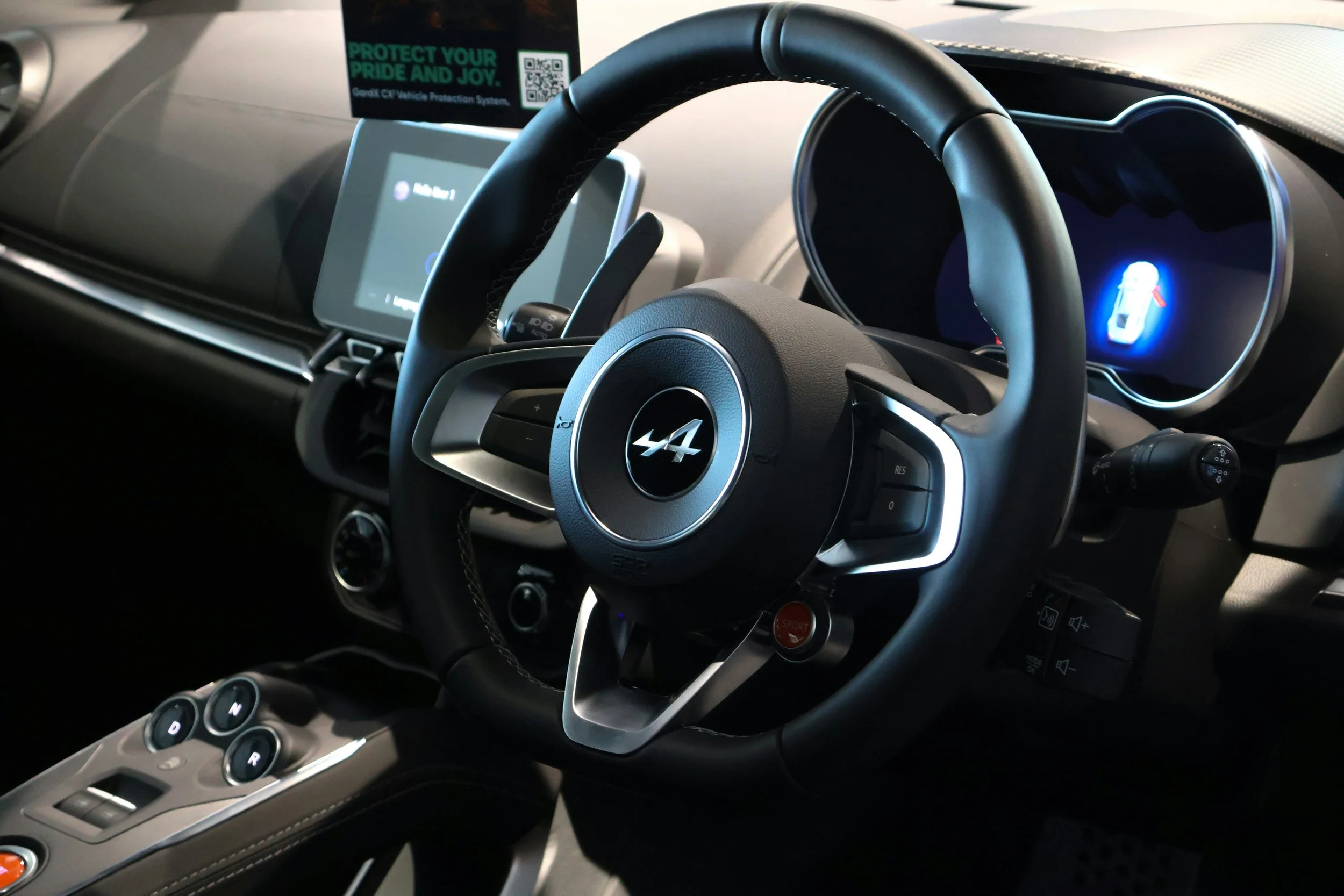
France’s EV Recommendations Are Missing One Crucial Dimension
The supply-side measures outlined in the Senate report are necessary, but they do not fully address the mechanisms through which demand, and ultimately pricing power, is sustained.
In a market where performance and cost advantages are converging, the ability to justify a premium (not simply to “premiumize”) becomes the central challenge.
Without addressing this, the risk is clear: a more efficient European automotive industry producing vehicles that consumers no longer perceive as meaningfully different.
Efficiency alone will not be enough, French and other European automakers must also sustain desire.

Trade Deals Are Accelerating the Chinese EV Shock For Legacy Automakers
If you take Carney’s Davos framing seriously, you have to stop reading trade deals as “extra access” for legacy automakers and start reading them as normalization events for Chinese EVs.
For a decade, legacy carmakers have treated Chinese EVs as a political problem: something to be contained with tariffs, safety rules, industrial policy and vague talk of “strategic autonomy.” That bought time and created the illusion that, if things got uncomfortable, you could always lean on politics to slow entry.
That stance was never tenable, today’s geopolitical situation only accelerates what was inevitable; that reality is here in the form of the first of what should be numerous other trade deals between countries and country-blocs.
Canada’s agreement with China and the EU’s agreement with Mercosur are the first manifestation of this accelerated timeline for legacy automakers.
What was already looking to be an expensive, even existential, competition sometime in the future is looking to be exactly that, but it’s already here.
Going Racing Used to Sell Cars. It Still Can, Provided Brands Succeed In the Consumer Translation.
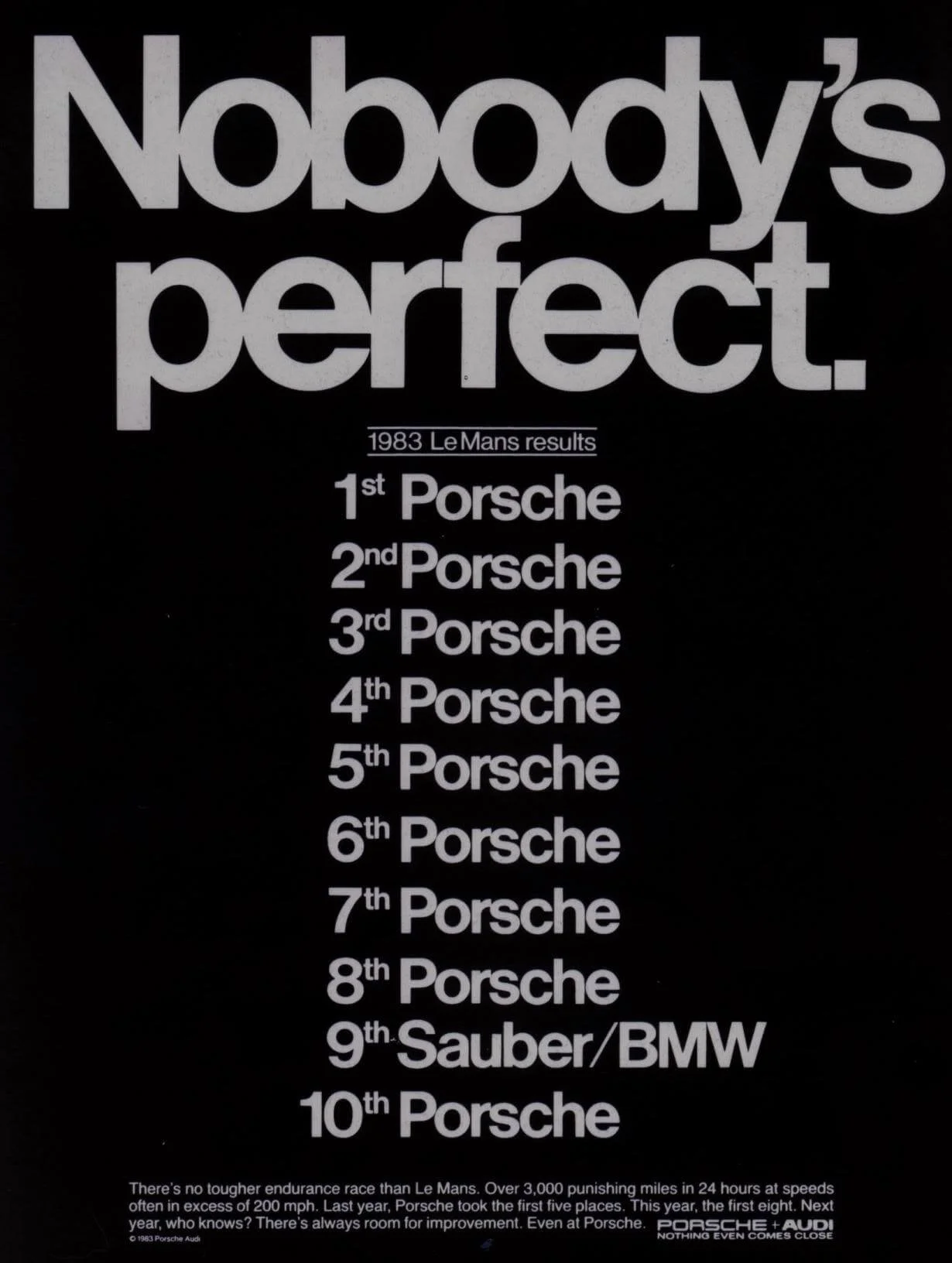
In the early days of advertising, the messaging for any product-type, cars included, was very straight-forward. In the automotive industry, brands would win something hard (Le Mans, Paris–Dakar, Pikes Peak, etc) and then say it, loudly, in a single declarative line.
The ads weren’t subtle because they didn’t need to be, and the messaging boiled down to a very straightforward message consumers could latch onto: we proved ourselves under the harshest conditions on earth, so you can trust (and desire) what we sell you.
That era produced ads which are still exciting today because the logic chain was simple, culturally acceptable, and repeated often enough that the public learned the language.
Look at the classic French poster tradition: Peugeot turning endurance results into a one-line manifesto, Renault and Alpine compressing a race result into a claim about efficiency, durability, and engineering pride.
The ads leveraged heritage to build a commercial bridge between competition and commerce; motorsport was not the equivalent of a corporate vanity project, it really was a selling tool.
Today, that bridge has not disappeared, but owing to the changes in the advertising and consumer spaces, it has nevertheless been weakened, fragmented, and increasingly under-monetized.