

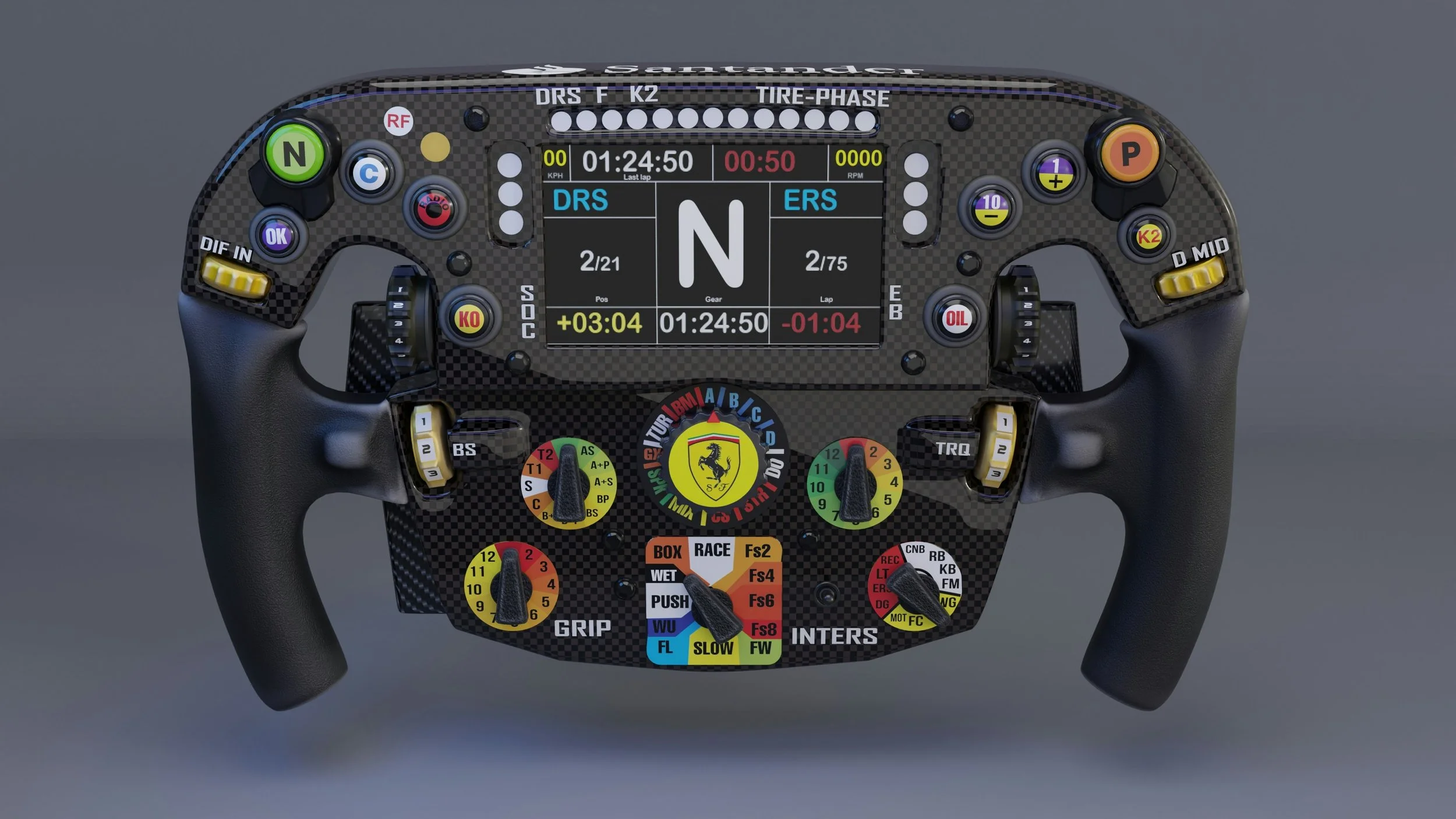
The Next 100 Years Of Motorsport: What Will Racing Look Like In 2125?
It always strikes me how quaint the past now looks. When Alfa Romeo won that first Grand Prix, the cars were front-engined, had no aerodynamics, rode on narrow tires, and their steering wheels were decades away from a single button, let alone screens, microchips, or multi-function displays.
If you could show those drivers a modern F1 car, they’d assume it was built by aliens.
Even beyond F1, imagine the participants of the first 24 Hours of Le Mans in 1923 trying to comprehend a Ferrari 499P, a Peugeot 9X8, or any prototype from today’s WEC and IMSA grids.
And so the question is obvious:
If the last 75 years turned simple race cars into machines that resemble spacecraft, what might the next 100 years bring?
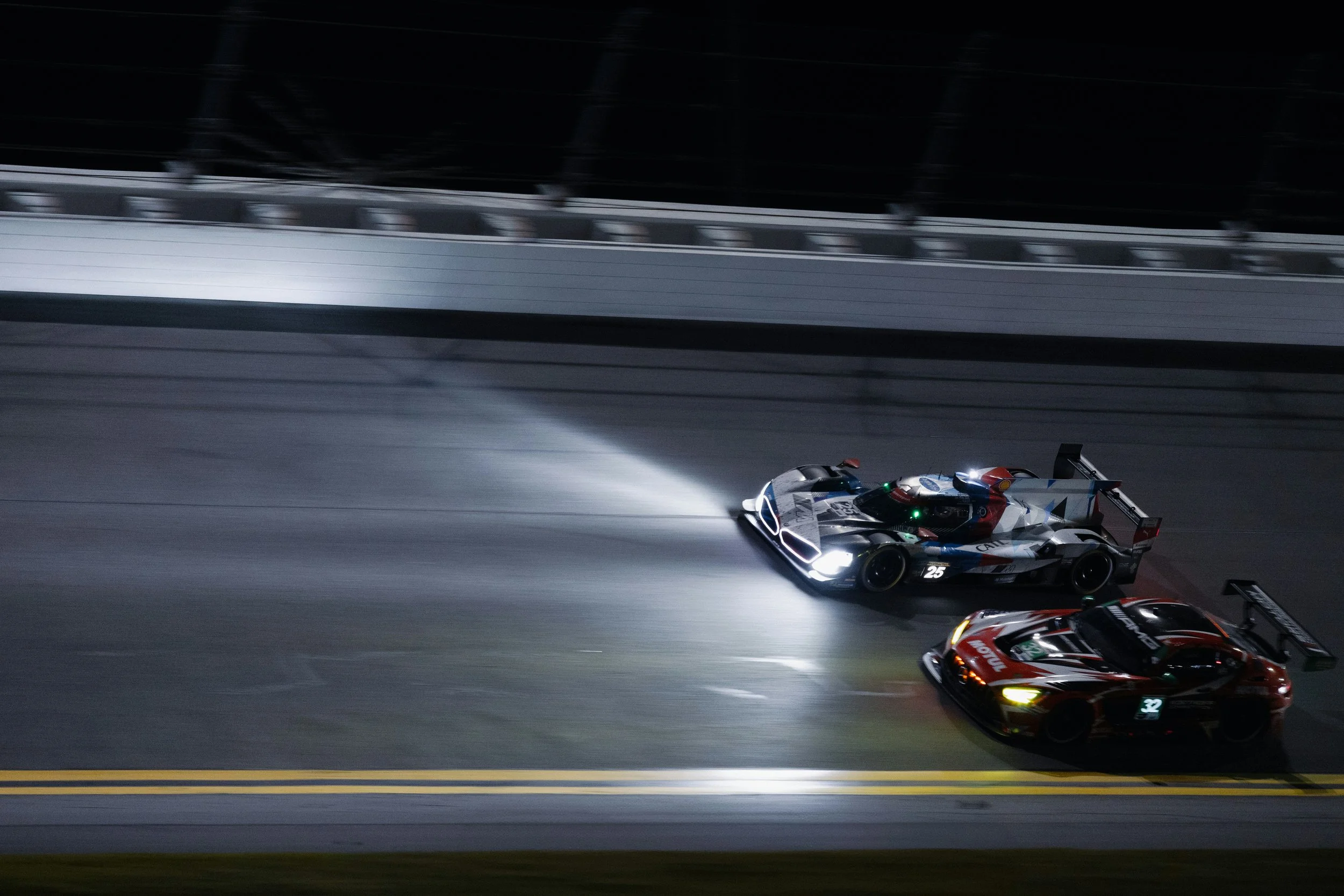
The Vaucher Analytics State of Motorsport 2025: The WEC and IMSA
Endurance racing doesn’t dominate global motorsport conversation the way Formula 1 does, but in 2025 it delivered something arguably more impressive: sustained, organic growth across multiple continents and two major rulebooks; indeed, although WEC and IMSA now operate within a broadly shared prototype ecosystem, they’re still distinct products with different audiences, commercial structures, and internal priorities.
Nevertheless, their shared success comes from a phenomenal on-track product, showcasing multi-class action, manufacturer storytelling, and the kind of racing purists swear by. And crucially, unlike some other series, WEC and IMSA genuinely seem to understand what they are and how they appeal to people.
But beneath that success, three separate fault lines began to emerge in 2025. Each one matters not because endurance racing is struggling (it isn’t), but because the future depends on navigating these issues without breaking the momentum the sport has finally built.
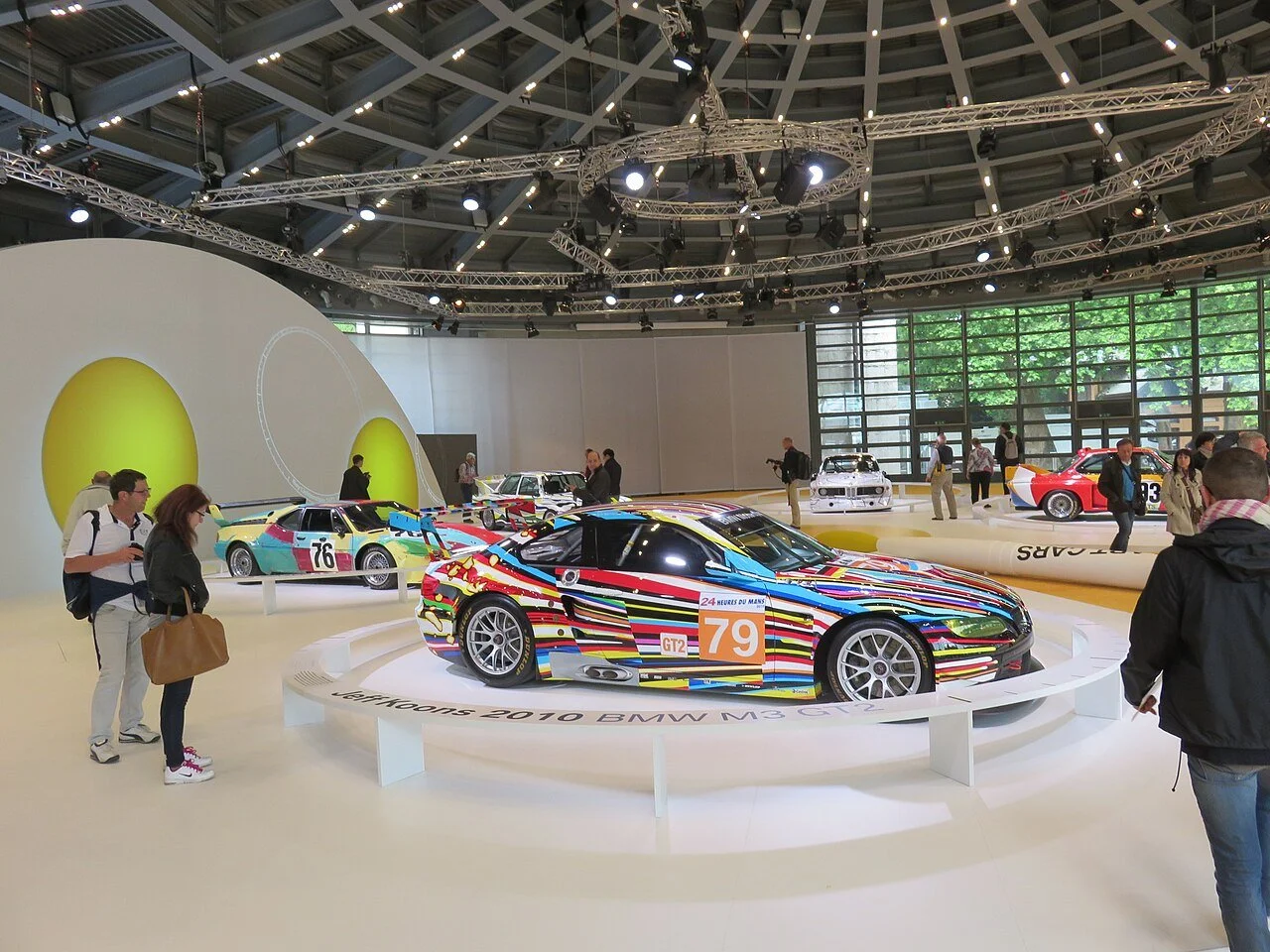
Racing’s Second Revolution - Part 4: Building a Business Around Racing Independent of Sponsorship
From local karting outfits to Formula 1 giants, the path to independence looks different but the logic is the same: every team, regardless of size, can move up the Vaucher Analytics Relevance Pyramid by creating owned assets that work for them even when sponsors don’t pick up the phone.
For smaller teams, that might mean hustling to secure buzz-worthy creative partnerships, and for the elite tier it’s about entering culture itself, maybe even shaping it.
The execution of these ideas is another matter, but the more teams build their own IP, the less time they’ll spend chasing sponsorship deals, and the more resilient motorsport becomes overall.

Inside SimRacing Expo 2025: Passion, Progress, and a Market Searching for Maximum Grip
Walking out of Messe Dortmund, I felt optimism, and impatience.
This year’s SimRacing Expo 2025 proved simracing has passion, products, and momentum.
What it still needs is connection; to the broader motorsport world, and to the people who will define its future.
Will the simracing community fuel further growth by embracing the trends that are powering real life motorsport, and if it does, will real life motorsport finally begin to care a little more about simracing?
I’m already counting down the days to SimRacing Expo 2026 to find out.