


Racing’s Second Revolution - Part 2: The NFL Films Playbook For Turning Motorsport Races Into Legends
So what exactly is NFL Films, and why is it potentially so important to motorsport?
In Part 1 of this four-part series on building the next motorsport business model, I explained why today’s motorsport teams are stuck in a fragile sponsorship model, while other sports have proven you can build cultural capital through storytelling and influence.
This second part dives deeper: why storytelling is foundational to moving away from sponsorship as a primary revenue driver, why the NFL is the best in the world at storytelling, and how NFL Films elevated every run, pass, and catch into legend.
To borrow a football term, NFL Films is the blueprint for motorsport.

Racing’s Second Revolution - Part 1: Why Motorsport Racing Teams Must Move Beyond Sponsorship
If you don’t have OEM support, sponsorship is effectively your only oxygen, and if a sponsor cuts back or disappears, the cycle starts all over again.
This is the fundamental problem: how sponsorship looks or is activated is of course going to follow Ron Dennis’s playbook and be much more polished than it was in the 1960’s, but it’s still the same paradigm, and remember, even Ron Dennis’s playbook is now nearing 50 years old!
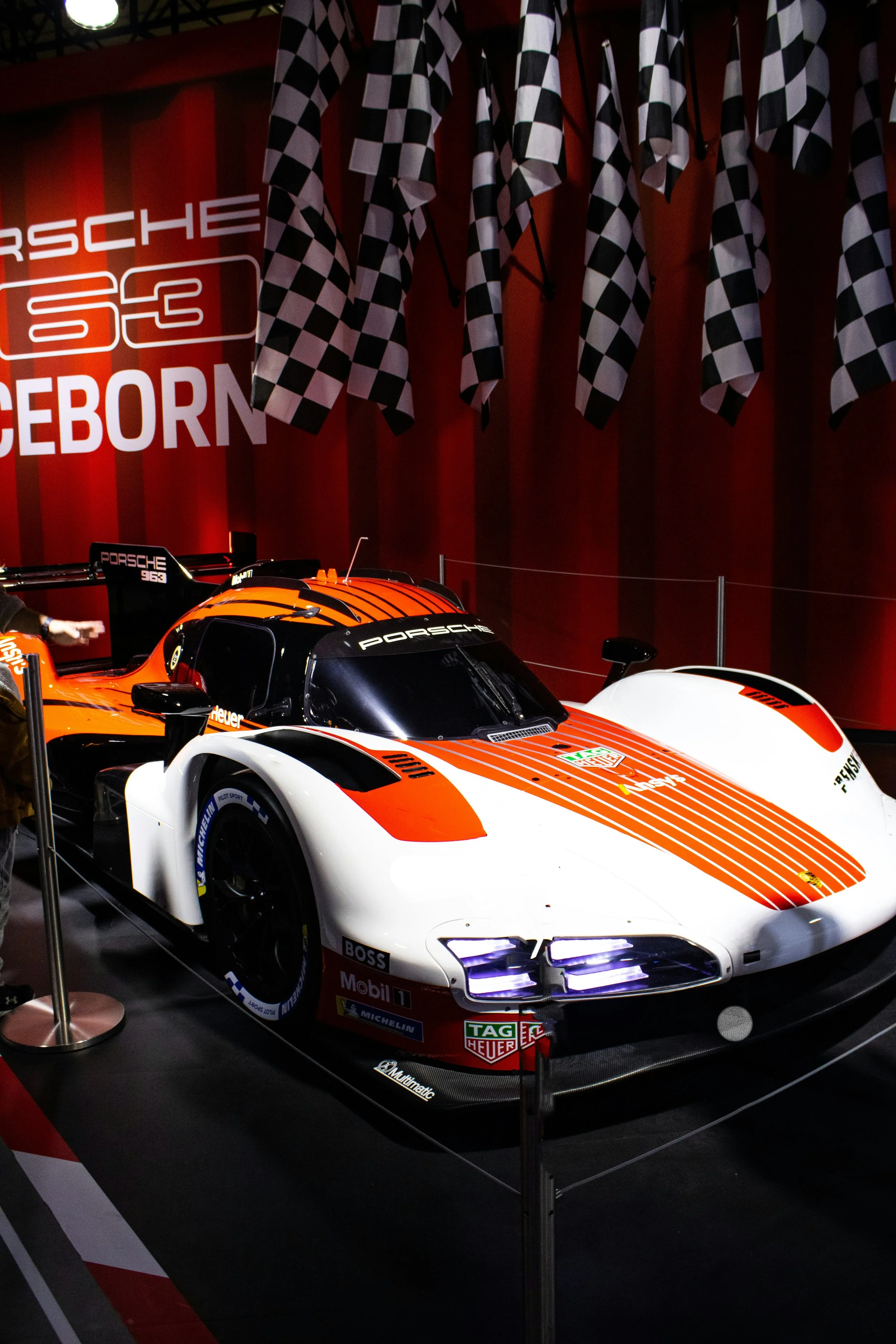
Racing, Politics and Power: Why Porsche’s WEC Threat Isn’t Really About Money
Porsche’s hints at quitting the WEC aren’t really about money, but about influence over the rules that shape the sport. Rivals like Ferrari and McLaren are showing that creative funding models exist, making withdrawal a short-sighted option. In endurance racing’s Platinum Age, walking away would only hand rivals the spotlight; Porsche’s real play is leverage, not exit.

Quality Over Quantity: The Harsh Future Facing IndyCar’s Midfield
Ed Carpenter Racing was the first to go public in its search for funding. This must have been tough, but it allowed them to get ahead of a narrative that is easy to tell with hindsight.
Investors are pattern-recognition machines. Seeing three “please fund us” headlines in less than a year would reframe the issue as systemic fragility in IndyCar’s midfield.
Who would want to invest in that?