

Racing’s Second Revolution - Part 5: The Objections That Will Define (Or Crush) Motorsport’s Next Business Model
The sponsorship model has been in use in some form or another almost since Formula 1’s inception, and as imperfect as it is, it’s safe.
But is it really safer in the long-term?
Arguably not, because not doing anything is itself a choice, without the benefit of having a say in the potential consequences.
Ulimately, if anything derails Racing’s Second Revolution it won’t be technical factors, since everything we’ve talked about so far rests on well-known business fundamentals.
In this fifth and final installment of the Racing’s Second Revolution series, we’ll cover the aspect of any great change initiative that is never talked about directly until it’s too late, yet has the potential to derail new ideas from the start: resistance.
The main risk is nothing more complex than skepticism.
This article addresses that head-on, and while the feeling is always the same, there could be multiple reasons behind that doubt.
Here we’ll lay out nine likely objections that executives, series managers, and investors will raise when confronted with the idea of moving beyond sponsorship, and of course we’ll explain how each can be addressed with a reliance on facts rather than gut feel.
Racing, Politics and Power: Why Porsche’s WEC Threat Isn’t Really About Money
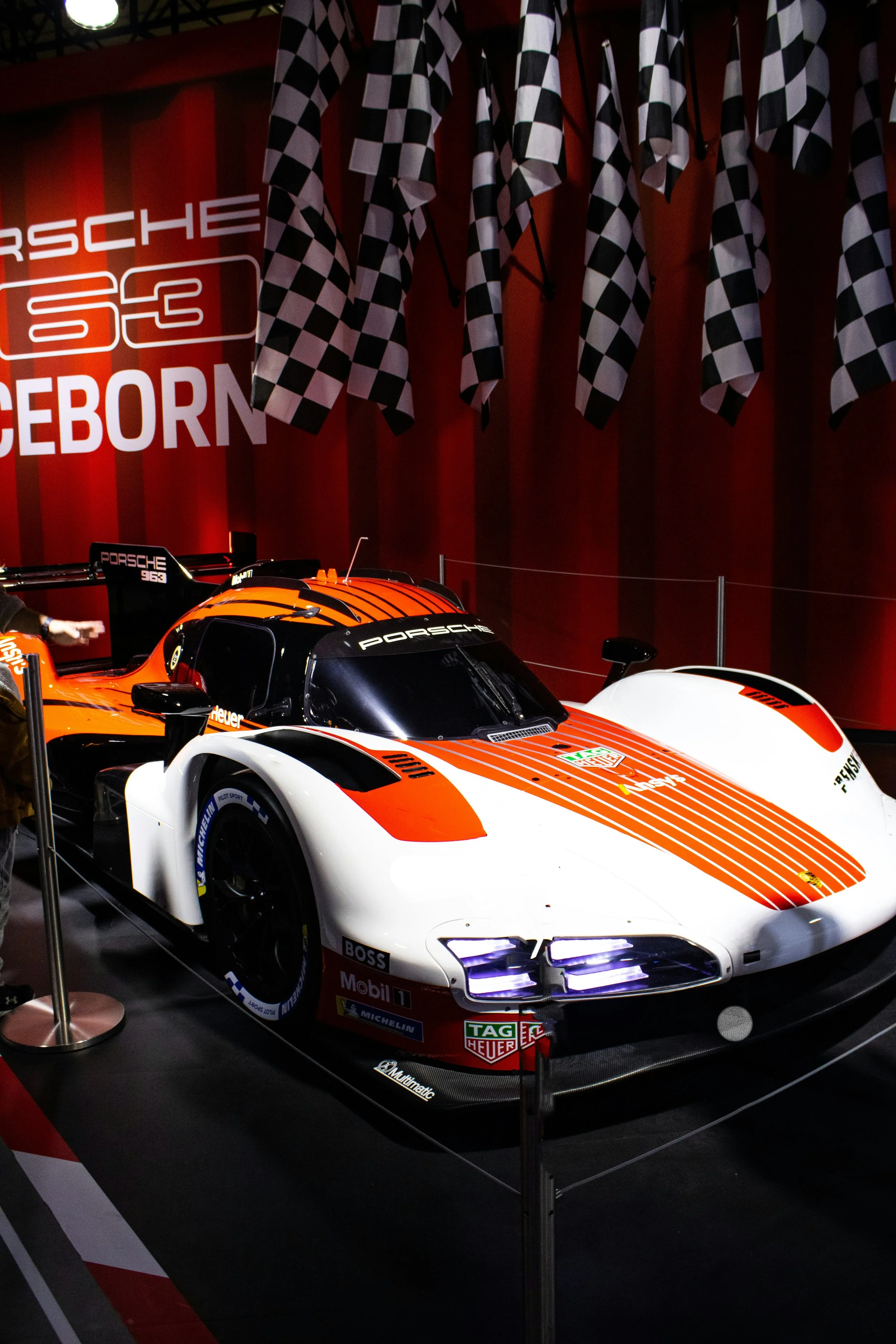
Porsche’s hints at quitting the WEC aren’t really about money, but about influence over the rules that shape the sport. Rivals like Ferrari and McLaren are showing that creative funding models exist, making withdrawal a short-sighted option. In endurance racing’s Platinum Age, walking away would only hand rivals the spotlight; Porsche’s real play is leverage, not exit.

Quality Over Quantity: The Harsh Future Facing IndyCar’s Midfield
Ed Carpenter Racing was the first to go public in its search for funding. This must have been tough, but it allowed them to get ahead of a narrative that is easy to tell with hindsight.
Investors are pattern-recognition machines. Seeing three “please fund us” headlines in less than a year would reframe the issue as systemic fragility in IndyCar’s midfield.
Who would want to invest in that?
The Vaucher Analytics State of Motorsport 2025: IndyCar
Every motorsport season tells two stories.
There’s the one played out on the track: the wins, losses, and moments fans will remember for years.
And then there’s the one that unfolds behind the scenes, where commercial deals, political maneuvering, and long-term strategy shape the sport’s future.
The very fact that this article can be written in mid-August, with two races still left to run, is itself part of IndyCar’s problem: the season comes and goes in a flash, followed by a six-month void that leaves little space for new stories to develop or late-comers to find their way in.
That’s only the tip of the iceberg, but nevertheless the 2025 IndyCar season delivered plenty of on-track action, in keeping with what it’s known for as the place where open-wheel finesse mixes with just a hint of NASCAR chaos.
But the off-track story is where the series’ long-term fate will be decided.